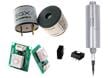

PS1-O2-MOD

Amphenol SGX Sensortech
523-PS1-O2-25%-MOD
PS1-O2-MOD

Produc.:

Opis:
Air Quality Sensors PS1 Series Solid Polymer Gas Sensor Module Oxygen 25% - UART

Model ECAD:
Pobierz bezpłatną aplikację Library Loader, aby skonwertować ten plik do narzędzia ECAD Tool. Dowiedz się więcej o modelu ECAD.

Na stanie magazynowym: 7

Stany magazynowe:
7 Wysylamy natychmiast
Średni czas produkcji:
4 tygodni Oczekiwany czas produkcji w fabryce dotyczący ilości większych niż pokazane.
Minimum: 1   Wielokrotności: 1
Cena jednostkowa:
-,-- zł
wewn. Cena:
-,-- zł
Szac. taryfa:
Ten produkt jest wysyłany BEZPŁATNIE

Cennik (PLN)

Il. Cena jednostkowa
wewn. Cena
1 148,96 zł 1 148,96 zł
892,68 zł 8 926,80 zł
860,30 zł 21 507,50 zł
840,99 zł 42 049,50 zł
100 Oferta

Atrybuty produktu Wartość atrybutu Wybierz atrybut
Amphenol
Kategoria produktów: Czujniki jakości powietrza
RoHS:  
Solid Polymer Module 1-series
0 %
25 %
5 %
UART
0 C
+ 40 C
PS1 -Modules
Marka: Amphenol SGX Sensortech
Styl mocowania: PCB Mount
Napięcie robocze zasilania: 3.3 V to 5.5 V
Rodzaj produktu: Air Quality Sensors
Wielkość opakowania producenta: 5
Podkategoria: Sensors
Znalezione produkty:
Aby pokazać podobne produkty, zaznacz przynajmniej jedno pole wyboru
Aby wyświetlić podobne produkty w tej kategorii, zaznacz co najmniej jedno pole wyboru powyżej.
Wybrane atrybuty: 0

Ta funkcja wymaga włączonej obsługi języka JavaScript.

CAHTS:
9027100010
USHTS:
9027102000
JPHTS:
902710000
KRHTS:
9027100000
MXHTS:
9027100100
BRHTS:
90271000
ECCN:
EAR99

Solid Polymer Electrochemical Gas Sensors

Amphenol SGX Sensortech Solid Polymer Electrochemical Gas Sensors are designed to detect a wide range of gases, including carbon monoxide, chlorine, and volatile organic compounds (VOCs), as well as humidity and particulates. These sensors are based on the principle of electrochemical catalytic reaction. The sensor responds to the target gas and delivers a very small current proportional to the gas concentration. The series utilizes a dry core design featuring three electrodes in contact with the solid electrochemical material. A typical electrode consists of a surface area of precious metal and other materials. The electrode, electrochemical cell, and surrounding air are in contact, allowing the gas to diffuse through the porous membrane into the sensor's working electrode. At this working electrode, the gas is oxidized or reduced.