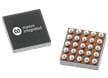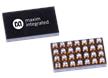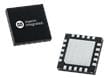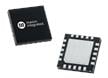

MAX31911AUI+

Analog Devices / Maxim Integrated
700-MAX31911AUI+
MAX31911AUI+

Produc.:

Opis:
Sensor Interface Low Power Industrial Octal Digital Input

Model ECAD:
Pobierz bezpłatną aplikację Library Loader, aby skonwertować ten plik do narzędzia ECAD Tool. Dowiedz się więcej o modelu ECAD.

Na stanie magazynowym: 675

Stany magazynowe:
675 Wysylamy natychmiast
Średni czas produkcji:
10 tygodni Oczekiwany czas produkcji w fabryce dotyczący ilości większych niż pokazane.
Minimum: 1   Wielokrotności: 1
Cena jednostkowa:
-,-- zł
wewn. Cena:
-,-- zł
Szac. taryfa:

Cennik (PLN)

Il. Cena jednostkowa
wewn. Cena
22,43 zł 22,43 zł
17,14 zł 171,40 zł
15,50 zł 775,00 zł
14,41 zł 1 441,00 zł
13,73 zł 3 432,50 zł
13,31 zł 6 655,00 zł
13,15 zł 13 150,00 zł
13,02 zł 32 550,00 zł
5 000 Oferta

Alternatywne pakowanie

Produc. Nr części:
Opakowanie:
Reel, Cut Tape, MouseReel
Dostępność:
Na stanie magazynowym
Cena:
22,68 zł
Min.:
1

Podobny produkt

Analog Devices / Maxim Integrated MAX31911AUI+T
Analog Devices / Maxim Integrated
Sensor Interface Low Power Industrial Octal Digital Input

Atrybuty produktu Wartość atrybutu Wybierz atrybut
Analog Devices Inc.
Kategoria produktów: Interfejs czujnika
RoHS:  
36 V
10 V
- 40 C
+ 125 C
SMD/SMT
TSSOP-28
Tube
Marka: Analog Devices / Maxim Integrated
Zestaw projektowy: MAXREFDES12#
Rodzaj wejścia: Industrial Digital (IEC 61131-2 Types 1, 2, 3)
Napięcie robocze zasilania: 10 V to 36 V
Rodzaj wyjścia: CMOS
Rodzaj produktu: Sensor Interface
Seria: MAX31911
Wielkość opakowania producenta: 50
Podkategoria: Interface ICs
Nazwy umowne nr części: MAX31911 90-31911+000
Jednostka masy: 403 mg
Znalezione produkty:
Aby pokazać podobne produkty, zaznacz przynajmniej jedno pole wyboru
Aby wyświetlić podobne produkty w tej kategorii, zaznacz co najmniej jedno pole wyboru powyżej.
Wybrane atrybuty: 0

Kody zgodności
TARIC:
8542399000
CNHTS:
8542399000
CAHTS:
8542390000
USHTS:
8542390090
JPHTS:
854239099
MXHTS:
8542399999
ECCN:
EAR99
Klasyfikacja pochodzenia
Kraj pochodzenia:
Tajlandia
Kraj montażu:
Niedostępne
Kraj wytworzenia:
Niedostępne
Kraj może ulec zmianie w momencie wysyłki.

Industrial 4.0 Smart Factory Solutions

Analog Devices Industrial 4.0 Smart Factory Solutions is a concept that envisions factories of tomorrow as vastly more integrated, automated, and flexible. Using these solutions, factories can become faster and more efficient in churning out goods desired by the changing marketplace. Factory automation is concerned with the automatic control of process machinery. A process controller monitors and measures operational and environmental variables. The controller then sends actuation commands out to control devices or alarms. The controllers are usually microcontroller-based machines with an architecture optimized to meet the needs of the factory and application.

Control and Automation Solutions - PLCs

Analog Devices Inc. PLC Control and Automation Solutions provide the ability to integrate the right features into ICs, enabling PLC (Programmable Logic Controller) designers to reduce system cost, power demands, and overall footprint while providing the accuracy and reliability needed for industrial measurements.

MAX31911 Interface Translator/Serializers

Analog Devices Inc. MAX31911 Interface Translator/Serializers are an industrial interface serializer that translates, conditions, and serializes the 24V digital output of sensors and switches. These devices are used in industrial, process, and building automation to 5V CMOS-compatible signals required by microcontrollers. These provide the front-end interface circuit of a programmable logic controller (PLC) digital input module. The ADI MAX31911 features integrated current limiting, low-pass filtering, and channel serialization. Input current limiting allows a significant reduction in power consumed from the field voltage supply as compared to traditional discrete resistor-divider implementations. The device serializer is stackable so that any number of input channels can be serialized and output through only one SPI-compatible port. This feature reduces the number of optocouplers needed to only three, regardless of the number of input channels.