
4409

Adafruit
485-4409
4409

Produc.:

Opis:
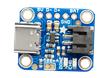
Adafruit Accessories Adafruit STEMMA Non-Latching Mini Relay - JST PH 2mm

Model ECAD:
Pobierz bezpłatną aplikację Library Loader, aby skonwertować ten plik do narzędzia ECAD Tool. Dowiedz się więcej o modelu ECAD.

Na stanie magazynowym: 11

Stany magazynowe:
11 Wysylamy natychmiast
Średni czas produkcji:
1 tydzień Oczekiwany czas produkcji w fabryce dotyczący ilości większych niż pokazane.
Minimum: 1   Wielokrotności: 1
Cena jednostkowa:
-,-- zł
wewn. Cena:
-,-- zł
Szac. taryfa:

Cennik (PLN)

Il. Cena jednostkowa
wewn. Cena
25,71 zł 25,71 zł

Atrybuty produktu Wartość atrybutu Wybierz atrybut
Adafruit
Kategoria produktów: Akcesoria Adafruit
RoHS:  
Accessories
STEMMA Non-Latching Mini Relay
Marka: Adafruit
Opis/funkcja: STEMMA Non-Latching Mini Relay
Rodzaj produktu: Accessories
Seria: STEMMA
Wielkość opakowania producenta: 1
Podkategoria: Supplies
Znalezione produkty:
Aby pokazać podobne produkty, zaznacz przynajmniej jedno pole wyboru
Aby wyświetlić podobne produkty w tej kategorii, zaznacz co najmniej jedno pole wyboru powyżej.
Wybrane atrybuty: 0

USHTS:
8536410020
ECCN:
EAR99

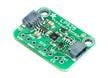
STEMMA Non-Latching Mini Relay Breakout Board

Adafruit STEMMA Non-Latching Mini Relay Breakout Board gives the user the power to control and control over power. The board allows the user to turn on and off lamps, fans, solenoids, and other small appliances that run on up to 250VAC or DC power using any microcontroller or microcomputer. There is no worrying about flyback diodes, level shifting, or pin protection, as the STEMMA board takes care of that automatically. This board can be used with any 3V or 5V microcontroller/microcomputer. To use it with a breadboard, Raspberry Pi or Arduino, pair it with a JST 3-pin to breadboard cable. If the user wants to use it with a Circuit Playground or micro:bit, there is a cable with alligator clips available. Each STEMMA board comes with a fully assembled and tested PCB but no cable. No soldering is required to use it. There's an optional second switch on the side of the PCB. If the user gets a 3-pin terminal block you can solder that in place, but it is optional.