
MIKROE-6021

Mikroe
932-MIKROE-6021
MIKROE-6021

Produc.:

Opis:
Bluetooth Development Tools - 802.15.1 Lyra 24P Click

Cykl życia:
Nowe produkty:
Nowości od tego producenta.

Na stanie magazynowym: 7

Stany magazynowe:
7 Wysylamy natychmiast
Minimum: 1   Wielokrotności: 1
Cena jednostkowa:
-,-- zł
wewn. Cena:
-,-- zł
Szac. taryfa:

Cennik (PLN)

Il. Cena jednostkowa
wewn. Cena
129,43 zł 129,43 zł

Atrybuty produktu Wartość atrybutu Wybierz atrybut
Mikroe
Kategoria produktów: Narzędzia do rozbudowy modułów Bluetooth – 802.15.1
RoHS:  
Add-On Boards
453-00145R
39 MHz
3.3 V
Bluetooth 5.3
Marka: Mikroe
Opis/funkcja: LYRA 24P Click
Wymiary: 42.9 mm x 25.4 mm
Do użytku z : Ideal for Smart Home Devices and Lighting
Rodzaj interfejsu: UART
Rodzaj produktu: Bluetooth Development Tools
Podkategoria: Development Tools
Znalezione produkty:
Aby pokazać podobne produkty, zaznacz przynajmniej jedno pole wyboru
Aby wyświetlić podobne produkty w tej kategorii, zaznacz co najmniej jedno pole wyboru powyżej.
Wybrane atrybuty: 0

TARIC:
8517620000
USHTS:
8517620090
JPHTS:
851762090
ECCN:
5A992.C

Wireless Connectivity Click Boards

Mikroe Wireless Connectivity Click Boards add wireless communication interfaces into designs. Mikroe Click Boards are based around the mikroBUS™ interface standard and easily add incredible capabilities to systems. The devices are ideal for any type of Wi-Fi® network including medical, industrial networking, and building automation.

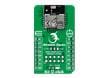
LYRA 24P Click

Mikroe LYRA 24P Click is a compact add-on board designed for high-performance BLUETOOTH® connectivity in IoT devices. The Mikroe LYRA 24P Click features Ezurio's LYRA 24P (453-00145R) wireless module, built on a 32-bit Arm® Cortex®-M33 core running at 39MHz with BLUETOOTH Low Energy (BLE) 5.3 support. Enhanced with Secure Vault® technology for advanced security, this module also includes a 2.4GHz antenna and global certifications. Ideal applications include smart home devices, lighting, building automation, security, gateways, digital assistants, and BLUETOOTH mesh low-power nodes.