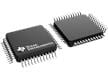

CD4066BE

Texas Instruments
595-CD4066BE
CD4066BE

Produc.:

Opis:
Analog Switch ICs Quad

Karta charakterystyki:
Model ECAD:
Pobierz bezpłatną aplikację Library Loader, aby skonwertować ten plik do narzędzia ECAD Tool. Dowiedz się więcej o modelu ECAD.

Na stanie magazynowym: 7 672

Stany magazynowe:
7 672 Wysylamy natychmiast
Średni czas produkcji:
6 tygodni Oczekiwany czas produkcji w fabryce dotyczący ilości większych niż pokazane.
Minimum: 1   Wielokrotności: 1
Cena jednostkowa:
-,-- zł
wewn. Cena:
-,-- zł
Szac. taryfa:

Cennik (PLN)

Il. Cena jednostkowa
wewn. Cena
3,07 zł 3,07 zł
2,20 zł 22,00 zł
1,99 zł 49,75 zł
1,76 zł 176,00 zł
1,65 zł 412,50 zł
1,58 zł 790,00 zł
1,46 zł 1 460,00 zł

Atrybuty produktu Wartość atrybutu Wybierz atrybut
Texas Instruments
Kategoria produktów: Układy scalone Analog Switch
RoHS:  
Through Hole
PDIP-14
4 Channel
4 x SPST
240 Ohms
3 V
18 V
+/- 5 V
+/- 10 V
30 ns
30 ns
- 55 C
+ 125 C
CD4066B
Tube
Marka: Texas Instruments
Rodzaj produktu: Analog Switch ICs
Wielkość opakowania producenta: 25
Podkategoria: Switch ICs
Prąd zasilania – max.: 5 uA
Rodzaj zasilania: Single Supply, Dual Supply
Jednostka masy: 1 g
Znalezione produkty:
Aby pokazać podobne produkty, zaznacz przynajmniej jedno pole wyboru
Aby wyświetlić podobne produkty w tej kategorii, zaznacz co najmniej jedno pole wyboru powyżej.
Wybrane atrybuty: 0

Ta funkcja wymaga włączonej obsługi języka JavaScript.

TARIC:
8542319000
CNHTS:
8542399000
CAHTS:
8542390000
USHTS:
8542390090
KRHTS:
8542311000
MXHTS:
8542399999
ECCN:
EAR99

CD4066B Quad Bilateral Switch

Texas Instruments CD4066B Quad Bilateral Switch is intended for transmitting or multiplexing analog or digital signals. The device is pin-for-pin compatible with the CD4016B but exhibits a much lower on-state resistance. The on-state resistance is also relatively constant over the full signal-input range. The CD4066B device consists of four bilateral switches with independent controls. Both the p and the n devices in a given switch are biased on or off simultaneously by the control signal. The well of the n-channel device on each switch is tied to either the input (when the switch is on) or to VSS (when the switch is off). This configuration eliminates the variation of the switch-transistor threshold voltage with an input signal and keeps the on-state resistance low over the full operating-signal range.